Toggle navigation

SUCCESS!
We look forward to helping you advance your career as a travel nurse!

As a travel nurse, the excitement of a new place can be fun and adventurous. But without friends and family around, it can get lonely. Plus, it gets a little tough to get close to people you work with when you only have a short stint.
“Making friends in a new place can be really tough, especially if you’re only around for 13 weeks,” says Tameeka Williams, registered nurse and travel nurse with GIFTED Healthcare. “My first real travel assignment brought me to San Diego, and I could not have picked a better place to begin my travels.” She adds that everyone in San Diego was extremely welcoming and friendly. There was always an adventure being planned and she was always invited, which was very surprising at first.
“I traveled from Louisiana with a stereotype that Californians were not friendly. I found that to not be the case at all in San Diego.”
She adds that making friends outside of work can be a bit more difficult. But luckily, social media can be a great resource for networking with other new travel nurses in the area who are also looking for someone to connect with and get to know while on assignment. “I would tell a new traveler to get on Facebook and locate a travel nurse group in the city you are in, join the group, and you will find someone posting an invite to attend an event or just to meet-up,” Williams explains.
Live in your dream city while doing what you love.
How can they try to fit in at a new place of work when everyone else has been in that department for years?
“For me, it not too hard to connect with the nurses on my unit. Everyone is usually very welcoming and helpful,” she says. When she is in a new environment, she observes the atmosphere and personalities of those around her — observing people and their actions and how they treat others. She understands that not everyone will have her best interest at heart, and that is OK. She believes that as long as she continues to have a positive and welcoming disposition, the staff in her department will see those qualities and be welcoming in return.
One of the most important factors that determine if the staff will accept you is how well you do your job. There are some nurses who come to a facility and feel they don’t always have to comply with the floor policies. They may leave work for the day with unfinished tasks or leave a patient in a bad condition for the nurse coming on. That will make staff nurses not receptive of you, Williams says.
Why is it tougher to make close friends as we get older, and how can you get over that fear of rejection or get over our high expectations of what a connection should be?
“I turned 28 this year and place a higher value on friendships than I ever have before,” she adds. “I do not walk into every facility and expect every person that I befriend to stay in my life forever or meet all of the requirements I feel a lasting friend should meet.” This outlook allows her to be more open to new friends in new cities. Expecting a person who is living their own life and fighting their own battles to be a perfect friend is unrealistic.
Discover new travel assignments here.
What are the things a travel nurse should remember not to do or say when starting out at a new place of work so not to offend?
Not completing all of the patient care requirements in the day is the biggest no-no, Williams says. “Starting a shift with issues that were left by the nurse on the previous shift is a huge nuisance. This makes it hard to focus on what you should be focused on – the patient. It also makes you feel as if you are doing double work,” she adds.
What are some great ways to meet new people in a new place outside of work?
A great resource to meet people is meetup.com. You simply sign up, choose your city and select your hobbies, a list of groups that align with your interests will populate. I like to read so I find local book clubs in new cities. If you like hiking, theater or the arts you simply click that hobby and all of the groups for that area will populate for you.
Learn how to make money while traveling!
What are some of the best ways to find out about great restaurants, theater, and other activities in a town you will only be living in a few months?
When it comes to food and things to do locally the best sources of information are the locals. “Yes, you can Google restaurants. But I’ve come to find the locals know the hole-in-the-wall restaurants that have really amazing food or good hiking trails that aren’t mentioned on the internet. Yelp is another great resource that allows you to read customer reviews to help you make decisions,” she says. She also discovered Groupon when I came to San Diego. It helps her to find good deals on local activities.
When in a new town, what are your tips on staying safe when adventuring out on your own and trying to meet people? The best way to stay safe especially in a big city like San Diego is to use common sense. Don’t walk alone late at night. Have someone you trust with you and travel in groups, she says. “Trust your instincts,” Williams explains. “If something doesn’t feel right, then don’t do it. To sum it up, the best way to stay safe is do everything your parents ever told you to do.”
The best day Dylan Lackey has had so far as a travel nurse was parasailing in Honolulu with his friend and Matt Martin, also a travel nurse. “Matt was terrified at the beginning but ended up loving it. It was a wonderful experience,” he says. The two met in nursing school and have been friends for four years. Matt decided at age 40 to be a traveling nurse. Dylan was 23. “When you travel with someone, you at least know one person when you move to a new city,” Matt says. “Plus you get to share your experiences with someone else and your bills. Plus, he’s a better cook than me.”
Many travel nurses end up traveling with another nurse to make things more fun, more stable and less lonely.
Here’s Matt and Dylan’s story along with Gloria Means and Cheryl Clay’s journey into travel nur
sing together:
Where do you two work now?
They are at St. Joseph Hospital in Bangor, Maine. Both work in the cardiac unit. They contract through Jackson Nurse Professionals.
Where did you start out being a nurse?
Dylan – He started out as a nurse at the University of Alabama Birmingham Kirklin Clinic as a float pool nurse. He also worked at the University of Alabama Birmingham Hospital in the liver transplant, GI medicine, GI surgery and surgery oncology departments.
Matt – In the ENT, OMFS, urology and plastic surgery floors at University of Alabama Birmingham Hospital.

Why did you feel it was the right time to be a traveling nurse with a friend?
Dylan – “Traveling with a friend works out better financially. Traveling can allow for a way to boost your income as a nurse. However, you have to be smart with your money. When traveling with a friend, you get to split the cost of everything whether it be rental cars, grocery bills or housing. Also, travel nursing is in way like a free vacation. You do work while you are on assignment. But on your days off, you get to experience a variety of activities you might not have ever been given the chance to experience otherwise.”
Get paid while seeing the country – start now.
Why did you want to be a nurse in the first place?
Dylan – “As a child, my family and me were in a car accident and were hospitalized for several days. One of my younger cousins, he was 6 at the time, passed away shortly after the accident. The compassion the nurses shared that day made me want to pass that same compassion along to other people in the same way that it was received by me.”
Matt – “Nursing as a career has so many attractive characteristics. You get to help people and interact with other professionals. The schedules are flexible, and you get to constantly learn new things.”
Do you two always work in the same hospital or department?
Matt – “No. This assignment, we are on the same floor, but usually we work in different areas.”
Dylan – “Most managers try to work with your schedules to give you as many days off together as possible so that you can enjoy activities with each other when off.”
What are some of the things you two have been able to do as travel nurses that you would have never been able to do if you had stayed where you were?
Matt – “I have been able to save more money and live in Hawaii for six months. And now I get to snowboard in Maine.”
Dylan – “I hope to continue my education with a degree as a CRNA and traveling has made it possible to make my savings account closer to my goal more quickly than when I was working full time as permanent staff. I also have gotten to meet and make a lot of new friends and memories along the way.”
Make lifelong friends across the country while doing what you love!
What destinations are you hoping for as a travel nurse in the future?
Matt – “I am open to trying just about anywhere. My goal is to end up in California.”
How has the higher salary helped you fulfill some dreams?
Matt – “I am saving money so that I can get my master’s degree.”
How long do you think you will travel nurse together, and why?
Dylan – “Hopefully, we can travel together for the next couple of years. We have a lot of fun together. Traveling with someone means that you are guaranteed to know at least one person when you get there.”
Matt – “Probably a couple of more years as long as I am enjoying it.”
Every travel nurse has their own stories and experiences. Here’s Gloria and Cheryl’s story, who contract with Stability Healthcare:
How long have you been friends?
Cheryl — “I met Gloria in 2010 at Washington Hospital at her the travel nurse contract. We met during orientation, worked in similar departments and formed a friendship.”
What age were you when you decided to be a traveling nurse?
Cheryl – 57
Gloria – 55
Start your adventure now! Travel nurses are in high demand.
As friends, do you always live in the same apartment when you are traveling nurses?
Cheryl – “Not always, but it is convenient if we are in the same location. We’ve also worked at different hospitals but lived in the same apartment or worked at the same hospital but lived in different housing.”
Why did you decide to be a travel nurses together?
Gloria – “We found out that we liked to do the same things, shared expenses cut down on costs and it’s always fun to explore the area with another friend.”
What was the absolute best day you’ve ever had as a traveling nurse?
Gloria –“I loved being in Alaska and taking a tour of Denali. Another time when there were three of us together and had the same day off, we jumped in the car and headed to Lake Tahoe.”
What have been some of the experiences you have had as a travel nurse?
Cheryl – “I lived in Hawaii for six months, Alaska for 1 ½ years and always explore the environment, experiencing nature in its natural habitat versus going to a zoo. I’ve met some really nice people. In Alaska, I learned about the culture of native Indians, something I would have never had knowledge or access to anywhere else.”
Meagan Madden has be en a traveling nurse in Alabama and Florida for the last year. She didn’t want to get too far from home and family in Alabama when she contracted with Jackson Nurse. “I never have a problem finding adventure in a new location because social media has helped me search for fun things, and I also like to Google ‘fun things to do’ or ‘best restaurants in the area,’ ” she says.
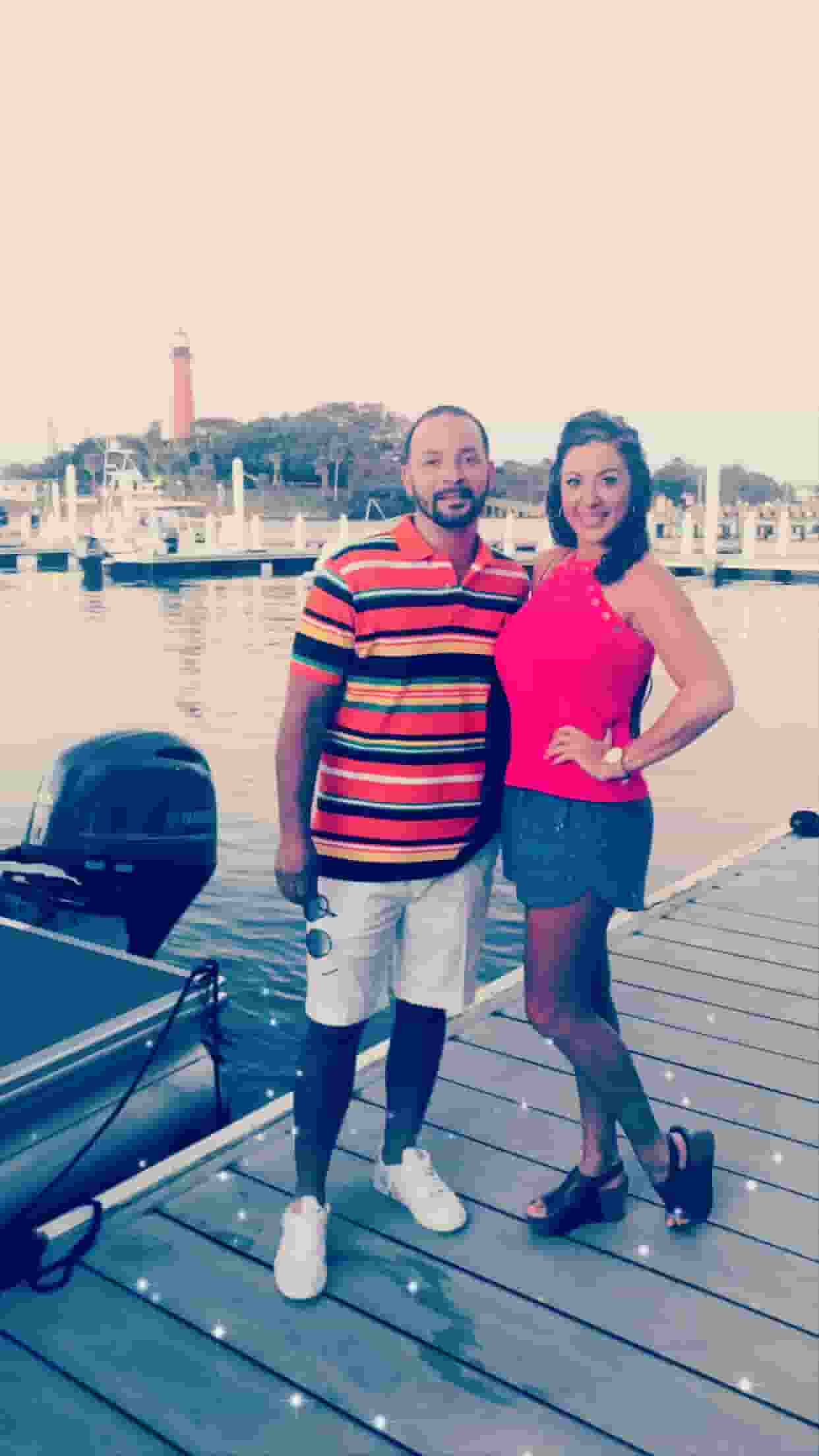
Currently, she is working at the Jupiter, Fla., Medical Center on the medical oncology floor. “Since being in Jupiter, I am less than two hours away from Orlando. So I have been to Universal Studios for the weekend and tried some of the top restaurants there as well,” she adds. Because the weather is conducive to outside living, she has made a few trips to the beach and taken a boat cruise to Jupiter Island, where professional golfer Tiger Woods lives.
Explore new cities while getting paid.
“I never feel intimidated or lonely in a new location because I am very friendly and social. I meet new people on my first day of orientation and that makes me feel better about being somewhere I am not used to,” Madden explains.
Fellow co-workers also have given her great pointers on the best food and fun in an area where she is a travel nurse. “Whatever someone’s motivation is to be a travel nurse – monetarily, relocation or some other personal reason – it can be an amazing journey,” says Meg Vernon, managing partner of Stability Healthcare, a travel nursing agency founded in 2009. “It’s fun. You just have to get involved, and find the things that interest you.” You may not get that all coveted spot yet in Hawaii. But great destinations across the country can offer great times and memories, she says.
Start your travel nursing adventure here!
Here are some of her suggestions on how to begin your quest in a new place:
Social media – “This has given people access to everything,” Vernon adds. For instance, Meet Up can be a great one to join in your area to find groups who hike, quilt, bike or whatever it is you enjoy. They often have get-togethers at restaurants, cooking classes or a park for picnics.
Facebook and Instagram – Search different cities by hashtags and interesting things to do.
Websites – Groupon, Living Social, Woot, and similar websites – These connect subscribers with local merchants by offering activities, travel, goods and services. A few less known but fun ones to try include:
Luxury Excapes — Book upscale and ultra-luxe holidays for up to 65% off regular prices, and also pay them interest free over 6 months.
Blackboardeats – Restaurant deals in the cities you choose.
Cudo — Gives buyers the chance to enjoy selected items at discounted deals within a specified timeframe after which the product reverts back to its original price.
TripAdvisor – “I go there all the time for different tours and reviews. Not everybody will put positive stuff on there, but you can get a sense of what a business or restaurant is like,” Vernon says.
AirBnB – Has added a section about what to do in different cities.
Yelp – Lots of recommendations on what restaurants, activities and hotels in your city.
ChooseChicago and other cities’ tourism websites – These can help with maps, free days at museums, public transportation information, theaters and other scheduled entertainment.
Start your travel career today!
Get info at hospital orientation – Many times the hospital, they will have an orientation for travel nurses. Get all the information you can from them including any brochures, coupons and more. If there are other travel nurses at the orientation, trade phone numbers and emails, in case you aren’t in the same department or have the same schedule. Forge friendships and start doing things together on your days off.
“You are there for such a short time, so take advantage of all the fun things,” Vernon says. “You can meet up with one of the other travel nurses in the same hospital or town and go experience the city together.”
Attend the annual TravCon – The Travelers Conference is held once a year and is for, about and by healthcare travelers. This year, it will be Sept. 9-11th at Bally’s, Las Vegas.
“It’s a growing industry,” Vernon says. “A couple hundred travelers get together and make some cool connections.”
“It’s fun to get out of your comfort zone. There are travelers all across the country. They are adventurous. It’s good to shake things up a bit because life is too short,” Vernon says.
Peggy Patterson has lived and worked as a traveling nurse in 15 states coast to coast. So far, she’s completed 29 assignments with 10 extensions in 26 cities.
Even in her mid-fifties, she is enjoying all the advantages that being a travel nurse can give from new adventures to better pay to lifelong friends.
“My plan is to work near the Dakotas, then up in the Northeast and take the dream assignment in Hawaii,” the Mississippi-based grandmother says.
Her goal is to finish off her bucket list of traveling through all the states, and then maybe take two assignments a year until she decides to hang up her traveling shoes for good.
 A study done by Onward OGH, LLC, found that 21.3 percent of travel nurses are over the age of 50; 34.7 percent are 40-50 years old; 26.9 percent are 30-40 years old; and 17.1 percent are 25-30.
Get started traveling today at any age.
Patterson is working in Central California, where the days are sunny and mild and the nights are cooler, she says. She is contracted through the Aureus Medical Group.
“I work in a general ICU that has many different types of patients on three different units. This is my second time working at this hospital, and the second time that I have extended.”
She adds that the town is very different from coastal California cities, places where she has been but will probably never be again.

She didn’t grow up wanting to be a nurse but dreamed of becoming a veterinarian because of her love for animals. The desire to become a nurse came later in life when her last child was about to enter kindergarten.
“It was almost like an empty nest syndrome. I found myself wanting to do something with my life,” she says.
She began her nursing journey in 2001.
She began her career in a neuro ICU stepdown.
Discover new travel assignments here.
While working in the Neuro ICU unit, Patterson worked with a few travel nurses.
“I found it intriguing, and thought one day, when the kids are grown, I’m going to do this. Well, one day happened sooner than I thought and before the kids were grown.”
Hurricane Katrina hit, and their families lived on the coast. They moved to Mississippi to be closer to family and to help out her husband’s dad. The pay as a nurse was almost $6 less an hour than what she had been making. Her husband encouraged her to check into travel nursing, maybe finding a contract close to home.
“So, that’s what I did. Although, I had only been a nurse for less than three years, my days as a traveling nurse began and what an adventure it has been.”

“I’ve had many memorable moments as a travel nurse, but I guess the best day I had was being able to be there for the birth of my first grandchild.”
Her son was in the Army, and he and his wife were stationed in Washington State. She was able to secure a job in Seattle, less than an hour from their home.
“Until you experience it, you have no idea what becoming a grandma feels like. It was the best day of my life and being able to be there was all due to me being a travel nurse.”
 Financially — “It has allowed us to have things in life that most dream of, along with being able to save for our future — our retirement.”
Spiritually –It has allowed her to grow as a person, to put judgement aside and let acceptance prevail.
Adventure-wise – “We have seen more than most people have seen in a lifetime. We have been to forty two states, twenty-eight major league ballparks (my husband’s bucket-list), numerous national parks as well as state parks, plus many tourist cities and hot spots, as well as a multitude of wonderful restaurants along the way.”
“I feel that becoming a nurse in my mature years has allowed me to not only be compassionate but have a real respect for the patient I’m taking care of,” Patterson says. “I look at the person as a whole not just as a sickness, taking care of them as if it was my own family member.”
Nursing is a profession that can be practiced in all parts of the United States. However, there are notable differences in the way you may perform some of the tasks depending on your location. Before choosing where you’d like to start or continue your career, it’s beneficial to take a look at some of the differences as well as the similarities.
After surveying nurses from four US regions about various topics about their careers, it is clear that nursing is a job that is exhausting and challenging, but ultimately rewarding and amazingly satisfying.
Learn about rewarding career opportunities as a travel nurse.
The nurses who shared their thoughts with us are:
Ashley Floral, RN – Omaha, NE
As the charge RN in the Newborn Intensive Care Unit (NICU) at Children’s Hospital and Medical Center, Ashley loves being a nurse and getting close to all the babies and their parents.
Dr. Kristine Todd, NP – Grand Rapids, MI
Director of Professional Practice and Development in Nursing Administration at Mercy Health St Mary’s, Dr. Todd speaks at numerous national conferences and sees patients as a Nurse Practitioner a few days a month.
Jason Sawa, RN – Dallas, TX
Jason is an RN and inpatient care coordinator at Texas Scottish Rite Hospital for Children in Dallas, TX.
Patricia Falgoust, RN – Harrisburg, PA
Patricia currently works as a nurse manager of labor & delivery at PinnacleHealth System.
Every department has its ups and downs; its good and bad situations. Here are some of the topics these nurses were asked about in their respective hospitals and areas of the country. Listening to them gives us a feel for what goes on, what is changing and what needs changing.
All of the nurses believed that their profession in their hospital and area is highly respected. Sawa elaborates by saying, “as a pediatric orthopedic hospital that specializes in the treatment of scoliosis, I would say our doctors see us as the ‘spine’ of the hospital. We are the eyes and ears of the doctors, and the voices of the patients.”
Falgoust believes that the health system she works in fosters and supports inter-professional collaboration, and it shows in the quality measures and outcomes and overall patient satisfaction.
Live in your dream city while doing what you love.
Each area of the country is dealing with different levels of becoming fully electronic when it comes to patient information. Foral says her hospital is all computerized with computers in each room along with barcode scanners for medication administration. All nurses have iPhones for communication via the Volt app.
“We are able to text as well as call our co-workers for any of our needs. Our workflow has improved since going live on EPIC. It is frustrating when technology fails,” she states.
Todd explains that health records are all electronic at her Grand Rapids hospital, and they use smartphones for use with the Doc Halo secure messaging system between nurses and doctors.
 Falgoust’s hospital is in the process of changing to an electronic medical record and charting system, which should happen in October. “Having multiple systems that don’t communicate can make nurses less efficient,” she says.
Sawa’s hospital is also going through a build phase of a new electronic health record system which is expected to go live in October, too.
Speak to a staffing agent today.
Sawa believes that his hospital is a special place that gives children back their childhoods. “Our nursing staff is outgoing and friendly, and we set the bar high for the expectations of ourselves and our fellow nurses,” he says.
Whether it’s in the Midwest or not, Foral feels that anyone working in an intensive care unit, probably is going to be a Type A personality.
“We have to be. There is very little room for error when you are taking care of a 900 gram baby. We are meticulous across the continuum of care from our assessments to the perfect blanket lined on the baby’s bed,” she explains.
In Falgoust’s nursing staff, she believes all types fit well. Todd narrows it down to the kind, compassionate, respectful, knowledgeable and collaborative personalities work out better in her unit.
Discover new travel assignments in your specialty here.
Mercy Health Saint Mary’s in Grand Rapids serves a diverse patient clientele with specialties of oncology, neuroscience, cardiovascular, orthopedic, senior care and psychology-medical.
PinnacleHealth Systems offers opportunities for all nursing specialties, Falgoust says.
The Children’s Hospital in Omaha is the only level IV NICU in the region. “Patients from Nebraska, Iowa, Kansas and South Dakota come here for the highest level of care,” Foral states. “Omaha is so fortunate to have a pediatric hospital.”
Travel nurses are in high demand. See how to start your adventure today.
“I am satisfied with my pay to a certain degree. We need the best of the best nurses here every day to take care of our patients,” Foral says. “I believe the hospital needs to be more appealing to entice experienced nurses looking for a change in their career. Children’s is offering a very generous incentive program when our census is high, and staffing is short.” Todd and Falgoust say nursing pay in their hospitals is very competitive with area hospitals, and Todd adds that her hospital offers an excellent advancement system for nurses.

Whatever their complaints or praises, these nurses love what they do. Foral sums up the general feeling of our four nurses — “I am honored to be a nurse and am forever grateful I chose this profession. I feel honored to be a nurse. I am proud to be a nurse.”
Discover new travel assignments in your specialty here.
For many years, Americans heard that there was a big shortage of nurses. But is there still a nursing shortage?
“In today’s world, that answer is both yes and no,” says Peter Buerhaus, professor of nursing and director of the Center for Interdisciplinary Workforce Studies at Montana State University, Bozeman.
Questions about travel nursing? Click here to connect with a staffing agent.
Everyone knows that there are more and more people coming into the health system. And that explosion comes from all the millions of aging Baby Boomers and the thousands and thousands of new people who got health insurance through the Affordable Care Act.
Buerhaus and fellow researchers have looked into the nursing shortage through the years, and it has improved in many areas but not all. Their recent study results appear in the September issue of Medical Care, the official journal of the American Public Health Association.
“We still project the nation will have a shortage of around 130,000 nurses by 2025, which is by no means a small number. But it’s not the overwhelming shortage that we had once anticipated,” he says.
Ready to start your traveling? Start here.
During the recession in 2007 and 2008, national initiatives prompted many women and men to enter nursing programs because jobs were plentiful and nursing programs were growing across the country.
 Now that nurses who are Baby Boomers will be retiring in the next 10-15 years that leaves more openings for the younger generations.
The average age of the RN nurse force is 44.4 years old this year. Buerhaus’ research shows that the overall number of registered nurse will increase from about 2.7 million in 2013 to 3.3 million by 2030 – only if new nurses enter the workforce at the current high rates. However, the growth in nursing school enrollment experienced in the 2000s already has leveled off.
“This probably isn’t a significant shortage at all. But regionally and in some markets, there is a big shortage of nurses,” he says. “Many rural areas are where you more likely will find shortages.”
Buerhaus pays attention to the statistics of AMN Healthcare, a national nursing staffing agency service.
“They are having a great year. Where they are the most active is probably highly correlated with shortages. There are shortages in Tulsa, Oklahoma and parts of Texas, California and Florida,” he says.
Another reason shortages could get worse than predicted is that people can’t get into nursing schools. According to a report by the American Association of Colleges of Nursing (AACN) titled 2014-2015 Enrollment and Graduations in Baccalaureate and Graduate Programs in Nursing, U.S. nursing schools turned away nearly 70,000 qualified applicants from baccalaureate and graduate nursing programs in 2014. The reasons were due to an insufficient number of faculty, clinical sites, classroom space, clinical preceptors and budget constraints.
“The greatest myth about the nursing shortage is that it is the result of a failure to recruit new individuals into the profession. Not true,” says Deborah Trautman, president /CEO of AACN, headquartered in Washington, D.C. More than 150,000 people entered the workforce as new RNs in 2013 compared to only 68,000 in 2001.
“At AACN, we are most troubled by the shortage of nurses prepared at the baccalaureate and graduate levels since research shows that having enough of these nurses is important to lower patient mortality rates, reducing medication errors and realizing other positive care outcomes,” says Trautman, president /CEO of AACN, headquartered in Washington, D.C.
Right now, only 55 percent of the registered nurse population is prepared at the baccalaureate or higher degree level. Faculty shortages at nursing schools across the country are limiting student capacity at a time when the need for professional registered nurses continues to grow.
Take your skills on the road – start your travel adventures today.
Buerhaus says that the nursing shortage can be a big plus for traveling nurses. Hospitals and clinics sometimes raise their pay scale to attract temporary nurses to fill the vacancies without committing to full-time employees. And when the budgets of any healthcare facility are constrained, it makes economic sense to hire traveling employees because they don’t have to make long-term commitments, he says.
The shortage of nurses in some areas is prominent and growing. In other areas, well-qualified nurses are abundant.
Having too few nurses available to provide care anywhere can impact many people and their ability to access essential services and the quality of care, Trautman states. That’s why nursing organizations, heads of healthcare companies and nursing colleges are working hard to assure that good, qualified and educated nurses are available to help people in all their healthcare needs.
Ready to start your traveling? Start here.
Being an operating room nurse means being focused, disciplined and a team player.
What does a typical day like for an operating room nurse? What emotions arise when you are dealing with life and death situations?
Here’s what two operating room nurses have to say.
Click here to discover high paying OR nurse travel assignments!
“It is a high stress working environment. But it is so rewarding seeing the problem and usually being able to fix it,” says Kelly Jewell, perioperative clinical coordinator at Fremont Health in Fremont. Neb. “I work in a great area of nursing that is usually hard to get in to. You don’t learn about surgery in school very much.”
You have to learn on the job, and it takes six months to a year to start to feel comfortable in the operating room, she adds.
For the 13 years since she became a nurse, Kelly Jewell, 35, has spent 11 of those as an operating room nurse.
“We all work together as a team for one patient at one time. From the anesthesia provider, surgeon, circulating nurse and scrub technician, we are all working together for those hours providing the safest and most excellent care that each patient deserves,” she says.
When Jewell is working as a circulating nurse in the operating rooms rather than the perioperative clinical coordinator (assigning staff for the day and running the staff meeting), she first goes to check in with her patient and introduce herself.
“We discuss the surgery they are having and match that to the consent they have signed and give them the opportunity to ask any more questions they may have regarding the procedure,” she says. “After that, I head to the OR to make sure we have the equipment needed for the procedure so I have everything available at my fingertips so if the need should arise for the procedure, we have it in the room and ready to go.”
It is her goal not to have the surgeon wait for something that they ask for during the procedure.
Discover new travel assignments!
“We also assist the anesthesiologist as the patient goes off to sleep and provide the patient with that comfort and familiar face there by their side as they go off to sleep,” she says.
After the patient goes to sleep, everyone helps position the patient for the procedure at hand. Then she readies the surgical site to prep the area so it can be draped sterile.
“It is our job to monitor and maintain sterility throughout the procedure as well as limit the traffic, staff coming in and out of the room, as to reduce the risk for surgical site infection,” Jewel says.
During the entire operation, Jewell documents it on the computer into the patient’s record from every person involved in the case, equipment used, anything that may have been implanted such as a total knee or hip, medications given and the exact time that everything was done. She then assists transporting the patient to recovery. The entire team assists in cleaning the room and readying it for the next surgery.
Speak to staffing agent today.
“The emotions displayed in the operating room can be compared to a roller coaster. There are many days where you are on top of the hill knowing you have safely helped all of your patients through surgery, and they will have a great outcome,” she says.
On other days, you may be at the bottom of the hill with the high stress levels that may present themselves with the emergency cases that are done. Fremont Health does take emergency cases 24 hour a day and that means the operating rooms are there for emergencies, too.
“We tend to do stat C-sections, laparoscopic appendectomies and bowel obstructions and any type of broken extremity during the weekends and evenings,” Jewell says.
Being an operating room nurse has taught her to be thankful for her own health and her family’s health.
“It has taught me a lot about respect and compassion for others. Going to surgery is a very stressful time for every patient and being there with them as they go off to sleep is so important so they know we are there to take care of them while they are unable to,” she says.
Explore your favorite cities while getting paid.
 Chaitali Bhavsar grew up in India and had worked in the pharmacy industry. But for the past seven years, she has been an operating room nurse and robotic coordinator at Danbury, Conn., Hospital.
“I like that you have to take care of one patient at a time, and you get to focus on them,” she says.
She works the morning shift in the operating room, which means being ready to go at 7 a.m. She said that most of the patients going into surgery are a little nervous.
“We try to reassure them that it will be OK and that we will take very good care of them,” she says.
After talking with them and verifying all the information, she wheels them into the operating room so they can meet with the anesthesiologist.
“My specialties in the operating room are urology and gynecology. We get patients from babies to those in their 80s. If they are children, we ask the parents if they want to be in the operating room until the child is put to sleep,” she says.
Bhavsar said most of the surgeries that she works on are two hours or less, but they do several of them per shift.
Discover new OR travel assignments here.
“When the surgeries are long, we are very busy during the whole time making sure everything is there and doing all kinds of things,” she says.
One of her patients she remembers well was a young woman who came in on Christmas Eve. She had just had a baby a few days before, but her bleeding wouldn’t stop.
“The case was pretty crazy. She had just had a baby, and then we have to do a hysterectomy,” she says.
With some traumatic cases or long surgeries, Bhavsar says that sometimes operating room nurses just take a few minutes to themselves to gather their senses again.
“If it’s something really serious, everybody is stressed out,” she says.
Sometimes, people in the operating room are yelling and scaring. But as an operating room nurse, you still have to be focused and be thoughtful of what is happening, she says.
“There are surgeries where it is life or death. But I love my job. The job has made me much more thoughtful of the people around me. And I am much more appreciative of what I have and of life itself,” she says.
Being an operating room nurse uses your strengths as a medical professional and a compassionate and empathetic human being. It takes skills in patience, teamwork and accuracy along with having a sense of humor. Your patients rely on you to give them comfort, understanding and the best medical care to get them through one of the scariest and uncertain times in their lives.
Discover new travel assignments!
As an emergency room nurse, you never know what’s coming in that door next. It could be someone with stab wounds, a baby in distress, bus accident victims or an elderly man with pneumonia.
“The best part about being an emergency room nurse is that moment you know you’ve changed someone’s life. Sometimes, it is something small, not what most people think of as life-saving, but it’s lifesaving to that person,” says Barbara Weintraub.
She has been a nurse for 30 years, and now serves as manager of the emergency department at Community First Medical Center in Chicago.
“We take care of patients of every age from the moment of birth to grandmas and grandpas in their 100s,” she says. “There is no type of injury, medical, surgical, obstetrical, psychiatric or pediatric condition that we aren’t equipped to care for.”
Today’s emergency departments care for so much more than emergencies that some people have started calling them Everything Departments, Weintraub says.
“We care for everything. Regardless of what brings a patient to the ED, it’s my job to care for them,” she says.
Discover new travel assignments here.
When Weintraub was working a few years ago at a Level 1 trauma center in Illinois (those are the places that take the most severely injured patients), she was put in the midst of helping a police officer who had been involved in a very serious motor vehicle crash.
“I moved to the head of the bed to assess his airway and secure his neck. As I looked down at this man – covered in blood, clothes cut away, broken bones, shattered glass all over – I hear this familiar voice say, ‘Barb, don’t let me die,’ ” she says.
She realized that he was a close friend of another police officer who she had dated, and most ER nurses know the local police well as they interact frequently.
“I promised him I wouldn’t let him die, although I knew that in spite of the very best care, his injuries were severe and promising his survival was beyond anything I could reasonably guarantee. But as with most emergency department nurses, we believe in the mind-body connection,” she says. “We’ve seen too many people die who should have lived but didn’t, and too many die for no reason.”
Her shift was ending, but she stayed with him for many more hours holding his hand as he went for more scans and tests.
“Although I spent all that time with him, I don’t think I provided any actual care – no injections, no wound cleaning, no starting of IV’s,” she says. “His injuries were severe, but he made it through surgery.”
A few days later his wife came down to the emergency department to thank Weintraub for saving his life.
“I told her it was a team, all of us. I’d done less than all my colleagues, really only talking to him and telling him he was going to be OK,” she says.
Four months later, a package comes in the mail.
“It was a gift from him again thanking me for saving his life. Through all the chaos and pain, he remembers me telling him I wouldn’t let him die – a promise I really couldn’t make, but did anyhow,” she says. “A year later almost to the day of his accident, this man came to see me in in his police uniform. It was his first day back on the job after his injury, several surgeries and extensive rehabilitation.”
When she saw him walk down the hall, she burst out in tears and gave him a big hug.
“He introduced me to his partner as the person who saved his life,” she says.
Make an impact – start your travel career today.
 She had already worked her 12-hour shift when the radio call came over. A pregnant woman involved in a motor vehicle accident was headed to the emergency room by ambulance.
“Another nurse and I offered to stay later to help the upcoming nurse with the patient,” says Dawn Lutecki, 42 year-old clinical nurse leader on the night shift at Hartford, Conn., Hospital’s emergency department.
She was about to witness something she had never experienced before in the emergency room.
“When the patient arrived, we were ready. We are a Level 1 Trauma center, so we had all the specialties in one place. There aren’t many places who can handle this kind of case. The ER staff and obstetrics/gynecological teams were in the trauma room,” she says.
The patient was around 30 years old but only 26 weeks pregnant.
“She had an altered mental status from hitting her head. They did a quick fetal ultrasound to check the baby. Initially, all seemed normal,” Lutecki says.
The patient was then rolled carefully to check for any further injuries. Suddenly, she let out a huge scream.
“We immediately rolled her back. OB/GYN did a second fetal ultrasound, and this time, we found the fetus to be in distress,” she says.
They announced that they would be doing an immediate cesarean operation in the trauma room to save two lives. She had never seen an emergency C-section done in their trauma rooms. In a matter of minutes, the room was filled with more specialists — obstetricians, more trauma team members and the Neonatal Intensive Care Unit (NICU).
“The NICU team setup in the next trauma room, so they would be ready when the baby arrived. Seconds later, an obstetrician performed the surgery. The baby was delivered and sent next door where the NICU staff was ready. Everyone’s energies were focused on saving these lives. It was amazing to be a part of this team,” she says.
Thankfully, both did amazing well and went home soon after, Lutecki says.
“This was one of those days that I will never forget. It could have been a really tragic event. But thankfully we have such great teamwork. It was a beautiful, happy time for us as healthcare workers and for this family. This is what it means to be a nurse,” she says.
Speak to a staffing agent today.
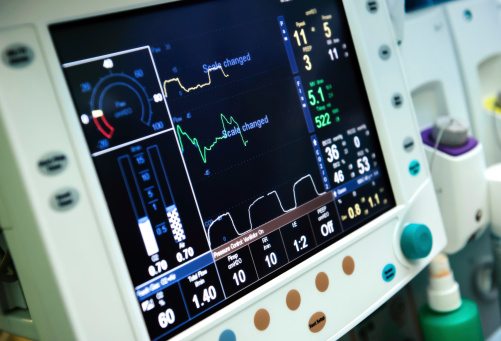 The emergency room is a well-orchestrated place, sometimes looking like coordinated chaos.
“It’s like a dance with a lot of adrenalin. Everyone has their steps they must do to make it all work,” says Jamie Hendrickson, registered nurse in the emergency department at Geisinger Medical Center in Scranton, Penn.
One night, a man came in the door who was very sick.
“I just had this feeling about him, and I knew I needed to stay at his bedside with him,” she says. “As I was talking to him, right way we got an IV in him and gave him antibiotics.”
The nurses and doctors triage patients very quickly, looking to see if there is some form of infection. They get blood drawn and get chest X-rays. Even a cardiologist had been asking this man some questions.
The patient, who was dealing with cancer, had been going through chemotherapy started to code.
“All of a sudden, he just stopped talking,” Hendrickson says. “I’m with three other nurses and the doctors, and they are all working on this patient. We already know what each other needs to do in these situations.”
They get out the paddles and shock him.
“One shock put his heart back into normal rhythm. He woke up instantly, and said, ‘What happened.’ ” Hendrickson says. “All of this happened within a two to five minute period, and then it was done. This person did very well. It could have worked out much worse.”
She says that the teamwork in the emergency department is a big part of what keeps her there.
“We work together. We get through these situations. Not every situation has a good ending, but we sure try,” she says.
Her emergency room sees 48,000 patients a year.
“There is a constant turnover of patients. We are transporting patients upstairs all the time once we take care of them here. The days go by fast. There are times we crave for boredom,” she says.
Explore the country while getting paid.
Being an emergency room nurse means suspense, sadness, teamwork, drama, trauma, chaos, recovery and miracles. It also means split second decisions, staying calm under pressure and caring for patients who depend on your knowledge and skills to get them through some of the worse moments in their lives.
Helping to bring a new life into the world as a labor and delivery nurse can be the best job on earth, says the people that choose this career each and every day.
“I know I will never do any other type of nursing because the thought of not being a part of this is unimaginable,” says Deb Marquez, 46. She has been a nurse for 22 years – 11 in critical care and 11 in labor and delivery. She works in the high risk labor and delivery unit at Nebraska Medicine in Omaha.
Find available travel assignments here.
“We share the miracle of life with patients every day. Although that sounds trite and cliché, seeing patients holding their new baby after having been infertile for 15 years, seeing tears of joy coursing down the parents’ faces, or hearing a sobbed — “I have waited for you for so long” — there is just nothing that could ever compare to that,” she says.
Not every birth is joyous. There also lies a lot of sadness and heartbreak. But to give comfort and strength to grieving parents becomes a very important part of this crucial career.
A few labor and deliver nurses relayed their most touching moments they have experienced in their jobs that keep them coming back to care for these moms, couples and babies.
See the country while getting paid!
It’s easy to imagine the immense jubilance bringing a baby into the world can emote. However, it doesn’t take long as a labor and deliver nurse to know that it’s not all joy and happy outcomes here, Marquez says.
“Interspersed with the good– rarely enough to allow us to keep our sanity, but still there – are situations that no person should ever have to endure,” she says.
Talk to a staffing agent today.
One such moment came early on in Marquez’ labor and delivery experience. It was the beginning of the festive holiday season. A young couple married just a few years were hosting a big dinner at their house. They had family fly in from all corners of the U.S. and were very excited to share in the joy of the season, as well in the anticipation that comes with welcoming a new baby into the world “any day now.”
The soon-to-be mommy arrived at the hospital and first conveyed to Marquez that in all the preparations for the holidays, she hadn’t really thought about fetal movement until that morning.
“She had not consciously felt the baby move for more than a day. I took her to a room and put on the monitors, expecting to hear the reassuring fetal heartbeat sound – the ‘thunka-thunka’ that means so much to expectant parents,” she says.
But there was just empty silence and no movement when Marquez listened to and felt the young mother’s abdomen.
“Despite our attempts to appear optimistic, the couple sensed something was wrong. I will never forget them staring wide-eyed at that ultrasound display, waiting, hoping, praying. There was nothing,” she says.
When the doctor told them, “I’m sorry, there is no heart beat,” the husband let out a cry of such pain that it echoes in Marquez’ heart to this day.
“I will never forget this broken young couple calling their family – all gathered at their house for dinner and sobbing brokenly, ‘He’s gone,’ ‘’ she says.
But through all the sadness and loss they experienced, this couple continue to send Christmas cards and photos every year to Marquez. They now are raising several healthy, thriving children.
“They always express thanks for giving them the courage and strength they needed to try pregnancy again, saying that without my genuine concern they would never have known what true joy is,” she says. “Little do they know that they gave me a gift, too – the courage to help patients face whatever comes next with compassion, the ability to cry with them when something really hurts and to truly connect on a human level to a stranger.”
Discover new L&D travel assignments here!
 Donna Erio of Utah became a nurse in 1978, and has worked in many areas of the United States. She fell in love with being a labor and delivery nurse in 1983 and has stuck with that ever since.
“Having a baby is something that a woman or a couple remembers for their entire life. You don’t forget your birthing experience, and you don’t forget your labor nurse,” she says.
Start your travel career today.
While working a few years at the John C. Lincoln Hospital in Phoenix, many of her patients didn’t speak English. But Erio had lived in southern Florida for a while and learned enough Spanish to understand enough to get by.
“A couple that didn’t speak any English came in to deliver their baby girl. She progressed very rapidly, so I ended up doing the delivery,” she says.
Erio has delivered 67 babies by herself without the doctor there.
“It happens. But I love it. This couple was thrilled to death that I was there. I was clamping the cord with my bloody gloves on and about ready to put the baby on the mom’s chest. She grabs my hand. She looks directly into my eyes and spoke the only words she knew in English, ‘Thank you so much,’ ” she says.
During the rest of her shift, Erio took care of the couple and the baby. The couple asked her where she lived. Erio didn’t think about it much.
Within a few weeks after their baby was born, the couple showed up at her home with a present – a paper mache rooster (which is a symbol of good luck) that the husband had made and placed on a platform.
“I will always keep it. I never thought I’d get a gift when I gave them my address. I thought I’d just get a thank-you card,” she says. “But I’m sharing their most intimate part of their lives with them, bad or good.”
Get matched with a staffing agent here.
She has seen thousands of births. Rachel Huber, 46, graduated in 1990 from nursing school and works as part of the labor and delivery team taking care of the newborn baby at Genesis East BirthCenter in Davenport, Iowa.
“It is a wonderful gift to be part of these people’s lives during one of the most intimate, happy and sometimes stressful parts,” she says.
She remembers one couple who came in to deliver their first baby with such amazing elation.
“They had been trying for four years to get pregnant. They had struggled with infertility,” she says.
After the baby was born, Huber measured, weighed, check vitals and cleaned up the infant to place in the mother’s arms.
“When I gave the baby to the parents, I could see what a gift this child was to them. They were crying and holding each other. It was so emotional and touching to watch so much love,” she says.
Each birth brings similarities and many differences.
“No matter how many times I am in the labor and delivery room, I still have a little bit of apprehension until I hear that baby cry, and I can see that it is healthy,” Huber says. “Labor and delivery isn’t a breeze. There are things that can go from good to bad in seconds. But I have to use my good clinical judgments and my skills.”
Make a difference in lives across the country – start traveling today!
Being a labor and delivery nurse brings a mixture of really good days and really sad days. But it’s about being there for the mothers, the families and the babies with your compassion, your helpfulness, your knowledge and your skills. It’s a career that can bring exhilaration, contentment and pride, and sometimes, there will be tears.